Interior Painting Services in Inland Empire
Interior painting comes with different demands than exterior work — dust control, furniture protection, ventilation, and precise cut-in work around trim, cabinetry, and fixtures. Redlands Painting handles interior projects across single-family homes, condos, and commercial spaces throughout Inland Empire, from older plaster-walled homes near the historic district to newer drywall construction in Inland Empire. Every interior project is approached with attention to surface type, lighting conditions, and the specific finish needs of each room, since a kitchen, bathroom, or living room each call for different paint formulations and application techniques.
Request a free interior painting estimate for your Inland Empire home or business.
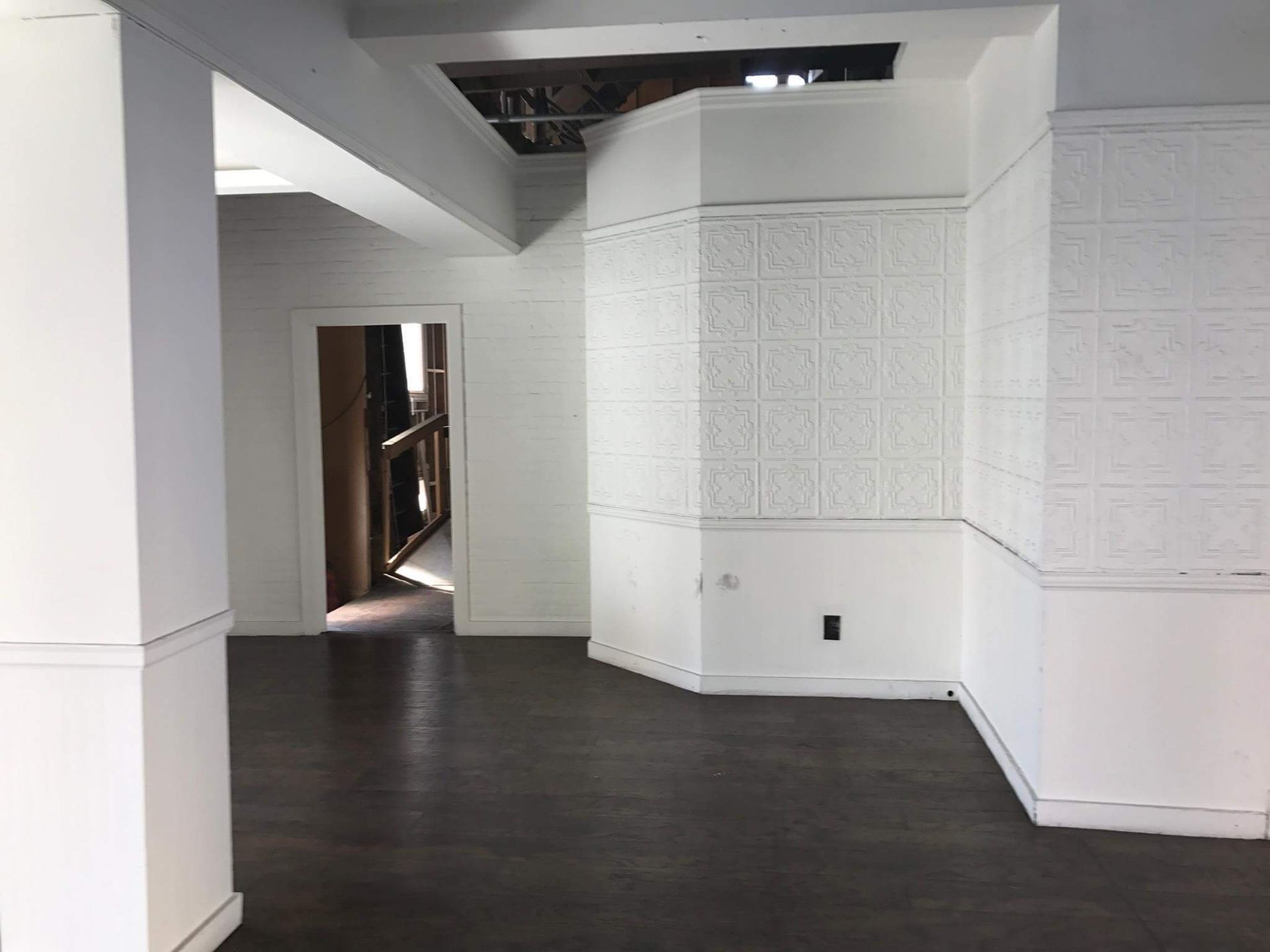
Surface Preparation for Interior Spaces
Interior surfaces vary widely depending on the age of the property. Many homes in older Inland Empire neighborhoods still have original plaster walls, while newer construction typically uses standard drywall.
Wall and Ceiling Prep
Nail holes, cracks, and uneven texture are patched and sanded smooth before priming. Plaster walls in particular often require additional patching work since they crack differently than drywall over time.
Trim, Doors, and Cabinetry Prep
Baseboards, door frames, and cabinetry are cleaned and lightly sanded to remove old finish buildup, which allows new paint or enamel to adhere properly instead of chipping shortly after application.
Protecting Floors and Furniture
Floors, countertops, and furniture are covered before any work begins, and rooms are set up with proper ventilation to manage fumes and speed up dry time, particularly important in smaller rooms like bathrooms or hallways.
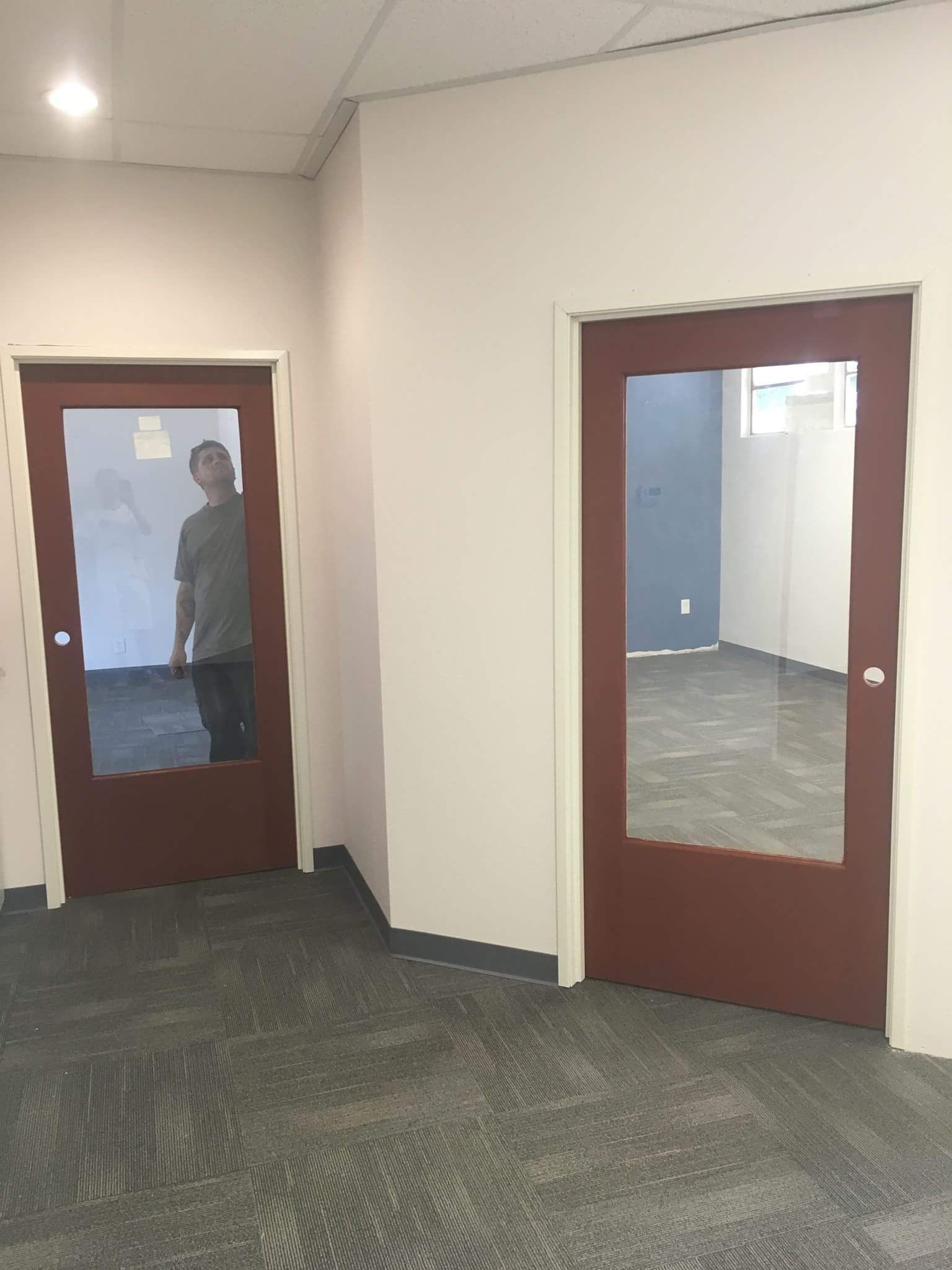
Paint Products for Different Room Types
Interior paint formulations differ significantly based on how a room is used, how much moisture it's exposed to, and how much daily wear the walls receive.
Kitchens and Bathrooms
These rooms need moisture-resistant, washable finishes since steam, grease, and humidity break down standard flat paint much faster than in other rooms of the house.
Living Rooms and Bedrooms
Lower-traffic rooms allow for a wider range of finish options, from flat to eggshell, depending on how much wall imperfection needs to be hidden versus how much washability is needed.
Trim, Doors, and Cabinets
These surfaces require enamel-based paints that cure to a harder, more durable finish capable of withstanding frequent contact from hands, cleaning, and daily use.
Get a room-by-room interior painting quote from Redlands Painting.
Working Around Occupied Homes and Businesses
Interior painting often happens while a home is still lived in or a business is still operating, which requires careful scheduling and containment.
Occupied Residential Projects
Work is sequenced room by room where possible, allowing homeowners to continue using parts of the home while other areas are being painted, patched, or dried.
Commercial Interior Projects
Offices, retail spaces, and other commercial interiors are often painted after hours or on weekends to avoid disrupting business operations, with dust and odor containment measures used throughout the space.
Color and Finish Consistency
Matching sheen and color across large wall sections, adjoining rooms, or touch-up areas requires consistent mixing and application technique, particularly under different lighting conditions found in Inland Empire homes with varying amounts of natural light.
Accent Walls and Multi-Color Rooms
Rooms with accent walls or multiple trim colors require careful masking and cut-in work to keep lines clean where colors meet.
Touch-Up and Partial Repaints
Matching existing paint on a partial repaint depends on the paint's age, sun exposure through windows, and whether the original product is still available in the same formulation.
Schedule an interior painting consultation for your Inland Empire property.
Frequently Asked Questions
How long does interior paint take to dry before a second coat?
Most interior paints are dry to the touch within one to two hours, but it's best to wait at least four hours, and ideally overnight, before applying a second coat for proper adhesion.
What type of paint is best for bathrooms and kitchens?
Bathrooms and kitchens benefit from satin or semi-gloss finishes with moisture and mold-resistant properties, since these rooms deal with higher humidity and require frequent cleaning.
Can interior painting be done while I'm still living in the home?
Yes, interior painting is commonly done in occupied homes by sequencing work room by room and using proper containment to manage dust and paint odor.
How many coats of paint does a wall typically need?
Most walls need two coats for even coverage and true color, though a significant color change, such as going from dark to light, may require a tinted primer or an additional coat.
What's the difference between flat, eggshell, and satin finishes?
Flat finishes hide imperfections best but show marks easily, eggshell offers a slight sheen with more washability, and satin provides a more durable, wipeable surface suited for higher-traffic areas.
Do plaster walls need different prep than drywall?
Yes, plaster walls often require different patching materials and techniques since they crack and age differently than drywall, especially in older Inland Empire homes.
How long should I wait to use a room after it's painted?
Rooms are generally usable within a few hours once the paint is dry to the touch, though full curing, especially for trim and cabinetry enamel, can take one to two weeks.
Can trim and cabinets be painted the same day as the walls?
Trim and cabinets are typically painted separately from walls since they use different products with different dry times, and sequencing them separately helps avoid smudging or overlap.
What causes uneven color or streaking on interior walls?
Uneven color is usually caused by inconsistent application technique, using a low-quality roller, or applying a second coat before the first has properly dried.
Is interior painting disruptive for a business during operating hours?
Interior painting for commercial spaces is often scheduled after hours or on weekends specifically to avoid disrupting daytime operations and customer traffic.
How do you match paint color on a partial repaint or touch-up?
Matching paint depends on the age and sun exposure of the existing coat, since colors can shift slightly over time, and in some cases a full wall repaint provides a more consistent result than a small touch-up.