Exterior Painting Services in Inland Empire
Inland Empire homes and businesses face a specific set of challenges when it comes to exterior surfaces — intense summer heat, dry Santa Ana winds, and UV exposure that breaks down lesser paint products year after year. Redlands Painting provides exterior painting services built around these local conditions, using coatings and application methods designed to hold up against sun damage, temperature swings, and the fine dust common throughout the Inland Empire. Whether you own a mid-century home near Sylvan Park, a stucco property in South Redlands, or a commercial building along Redlands Boulevard, our exterior painting work is matched to the surface material, sun exposure, and age of your structure.
Schedule your free exterior painting estimate in Inland Empire today.
Surface Preparation for Inland Empire Exteriors
Exterior paint failure in Inland Empire almost always traces back to inadequate preparation, not the paint itself. Before any coating is applied, every project starts with a full assessment of the existing surface condition.
Pressure Washing and Cleaning
Stucco, wood siding, and trim accumulate dust, pollen, and mildew over time, particularly on north-facing walls that stay shaded and retain moisture longer. Pressure washing removes this buildup so the new coating bonds properly instead of sitting on top of dirt or chalking residue.
Scraping and Sanding
Older homes in the Redlands Heights and West Redlands areas often have multiple layers of paint that have begun to crack or peel due to years of thermal expansion and contraction. Loose paint is scraped and sanded down to a stable surface before priming.
Caulking and Patching
Gaps around windows, trim, and siding joints are sealed before painting. In a climate with hot days and cooler nights, unsealed gaps allow moisture and air infiltration that accelerates paint breakdown from the inside out.
Paint Products Suited to Inland Empire Heat
Stucco Coatings
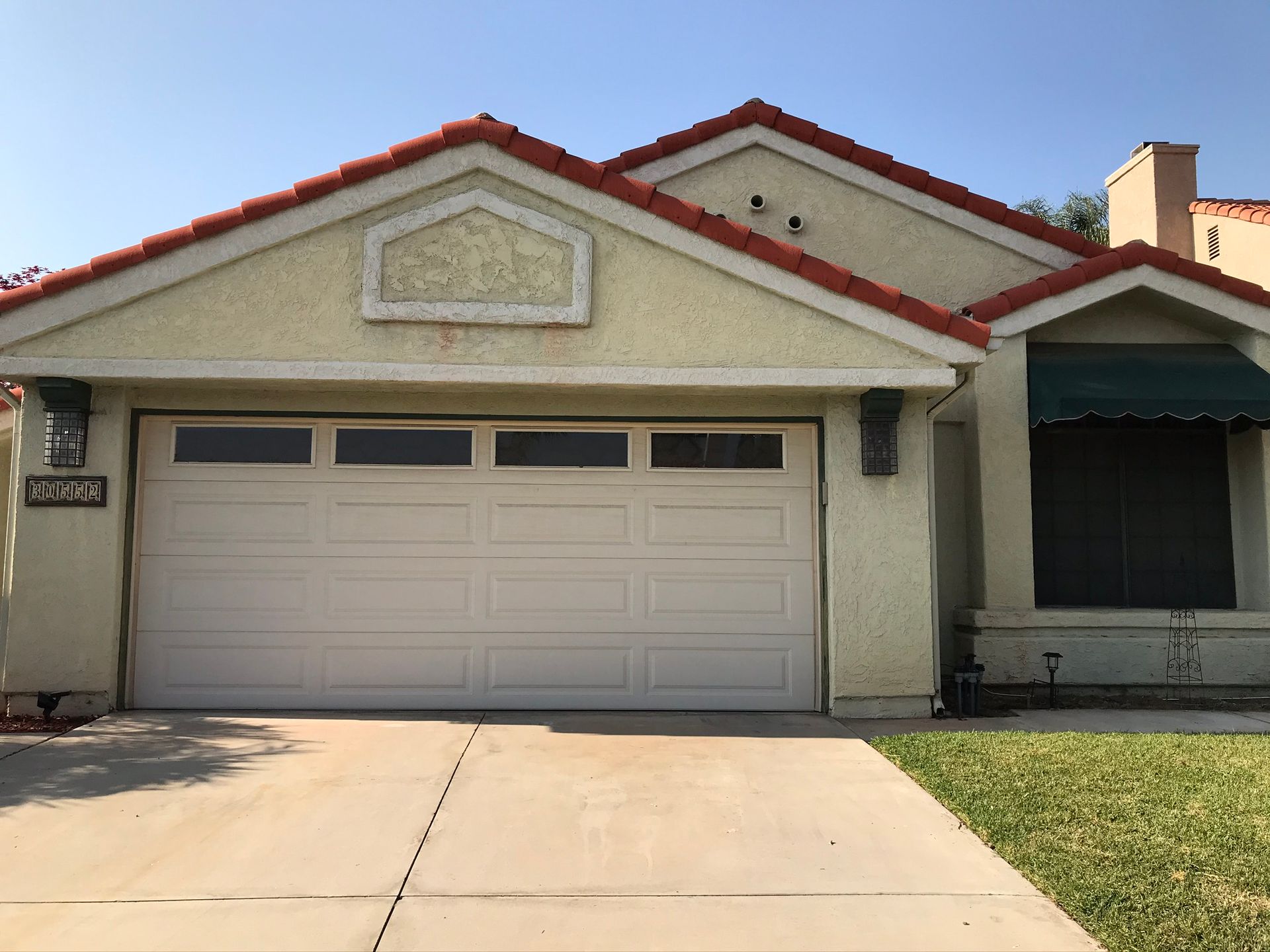
Stucco is the dominant exterior material in Inland Empire, and it requires breathable, elastomeric-style coatings that move with the substrate rather than trapping moisture behind a rigid film.
Wood Siding and Trim
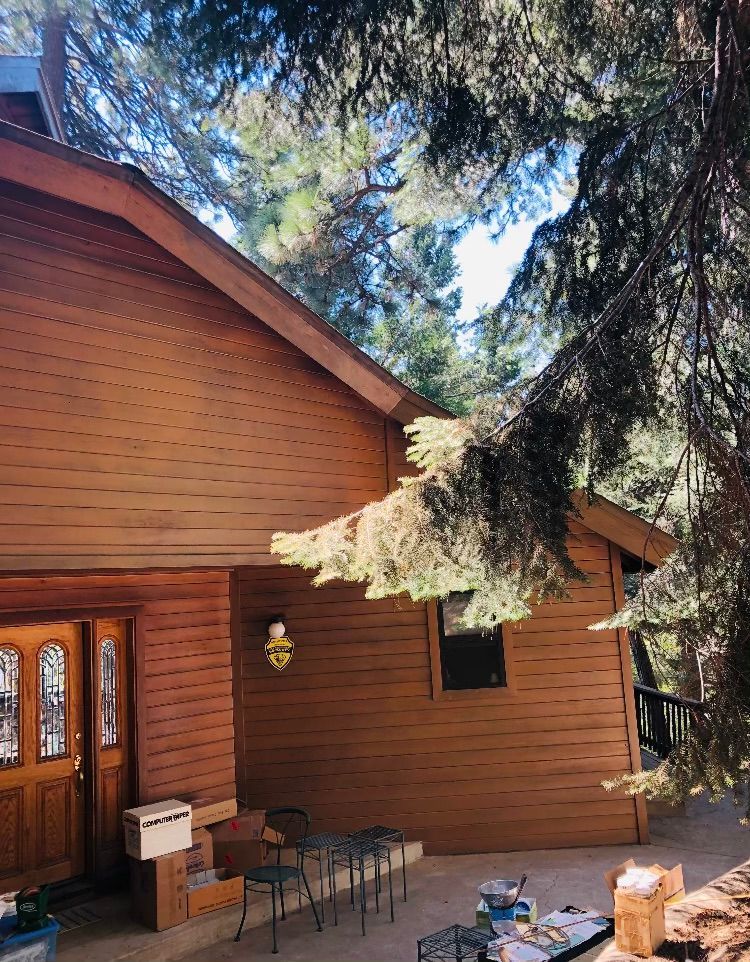
Wood surfaces, common on older Inland Empire properties, need coatings with strong UV blockers to prevent the graying and fiber breakdown that direct desert sun causes over just a few seasons.
Metal and Composite Surfaces
Garage doors, metal railings, and fiber-cement siding each require different primers to prevent rust bleed-through or adhesion failure under heat.
Get a Redlands exterior painting quote matched to your home's siding material.
Color Selection for Inland Empire Architecture
Color choice affects more than curb appeal in a climate like ours. Darker colors absorb more heat and can accelerate paint aging on south and west-facing walls, while lighter and mid-tone colors tend to hold their finish longer under direct sun.
Historic and Craftsman Homes
Many Inland Empire properties near the historic district call for period-appropriate color palettes that respect the home's original architectural style while still using modern, UV-stable paint formulations.
Modern and Contemporary Homes
Newer construction throughout Inland Empire often uses bolder, higher-contrast color schemes, which we can accommodate while still recommending finishes that account for heat retention on darker exterior colors.
Commercial Exterior Painting in Inland Empire
Commercial properties have different scheduling and access needs than residential homes. Redlands Painting works around business hours, coordinates with property managers, and uses containment methods to keep dust and overspray away from customers, foot traffic, and neighboring units during the project.
Request a commercial exterior painting estimate for your Inland Empire business.
Frequently Asked Questions
How often should exterior paint be redone in Inland Empire?
Most Inland Empire homes need exterior repainting every seven to ten years, though homes with heavy west or south sun exposure may need it closer to every five to seven years due to accelerated UV breakdown.
What time of year is best for exterior painting in Inland Empire?
Spring and fall offer the most stable temperatures for exterior painting in Inland Empire, since extreme summer heat can cause paint to dry too quickly and affect adhesion, while cooler winter mornings can slow curing.
Does stucco need a different painting process than wood siding?
Yes, stucco requires breathable, flexible coatings that allow moisture to escape, while wood siding needs UV-resistant paints with strong adhesion to prevent peeling and graying from sun exposure.
How long does exterior paint take to fully cure in hot weather?
Exterior paint typically cures within two to four weeks depending on the product, though full curing can take longer during Inland Empire's hottest summer months when surfaces heat up quickly.
Can exterior painting be done while the temperature is above 100 degrees?
Painting during extreme heat is generally avoided because paint can dry too fast on the surface before properly bonding, leading to poor adhesion and a shortened lifespan.
What causes paint to peel on Inland Empire homes specifically?
Peeling is most often caused by moisture trapped behind the paint film, inadequate surface preparation, or coatings that aren't flexible enough to handle the daily temperature swings common in the Inland Empire.
Is pressure washing necessary before every exterior paint job?
Pressure washing is necessary in nearly all cases because dust, pollen, and mildew buildup prevent new paint from bonding properly, regardless of how new or old the previous coat is.
Do darker exterior colors fade faster in Inland Empire' climate?
Darker colors absorb more heat and UV radiation, which can cause them to fade or chalk faster than lighter or mid-tone colors, particularly on walls with direct afternoon sun exposure.
What's the difference between elastomeric and standard exterior paint?
Elastomeric paint is thicker and more flexible, making it better suited for stucco surfaces that expand and contract with temperature changes, while standard paint works well on more stable surfaces like properly sealed wood trim.
How is commercial exterior painting different from residential painting?
Commercial exterior painting typically involves larger surface areas, coordination around business operating hours, and additional containment measures to protect customers, signage, and neighboring properties during the project.
Does Redlands Painting handle both stucco and wood siding on the same property?
Yes, many Inland Empire homes combine stucco walls with wood trim or siding accents, and each material is prepped and coated with the appropriate product for that specific surface.