Commercial Painting Services in Inland Empire
Commercial painting projects in Inland Empire come with requirements that differ significantly from residential work — larger surface areas, strict scheduling around business hours, compliance with property management or landlord specifications, and coordination with employees, customers, or tenants who remain on-site during the project. Redlands Painting works with office buildings, retail storefronts, medical offices, warehouses, and multi-tenant properties throughout Inland Empire, including areas along Tennessee Street, Redlands Boulevard, and the industrial corridors near the I-10 corridor. Every commercial project is scoped around minimizing disruption to daily operations while meeting the surface and finish standards required for high-traffic commercial environments.
Request a commercial painting estimate for your Inland Empire property.
Scheduling Around Business Operations
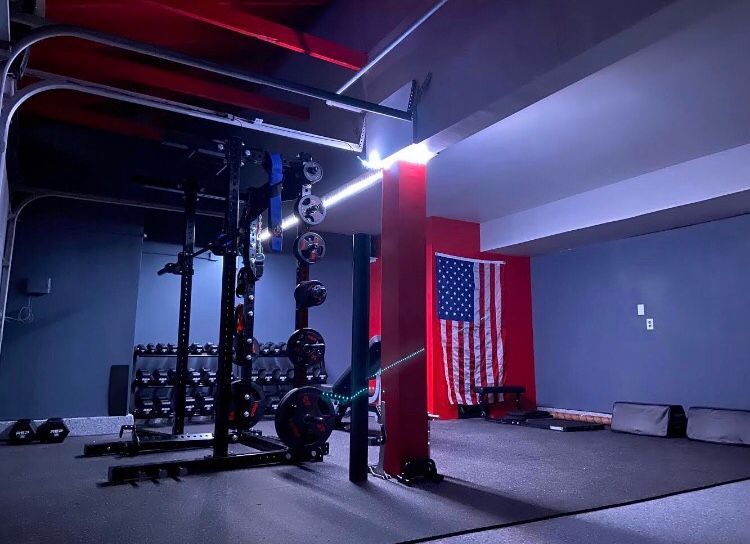
Commercial spaces rarely have the flexibility to shut down entirely for a painting project, so scheduling is built around each business's specific operating constraints.
After-Hours and Weekend Work
Offices, retail stores, and restaurants often require work to happen after closing or on weekends to avoid disrupting customers, staff, or scheduled business hours.
Phased Multi-Tenant Projects
Properties with multiple tenants, such as strip malls or office parks, are typically painted in phases, allowing individual businesses to remain open while work moves section by section across the property.
Surface Types in Commercial Buildings
Commercial buildings often combine several different surface materials that each require specific preparation and coating approaches.
Drywall and Interior Office Walls
High-traffic interior walls in offices and retail spaces need durable, washable finishes capable of withstanding scuffs, fingerprints, and frequent cleaning.
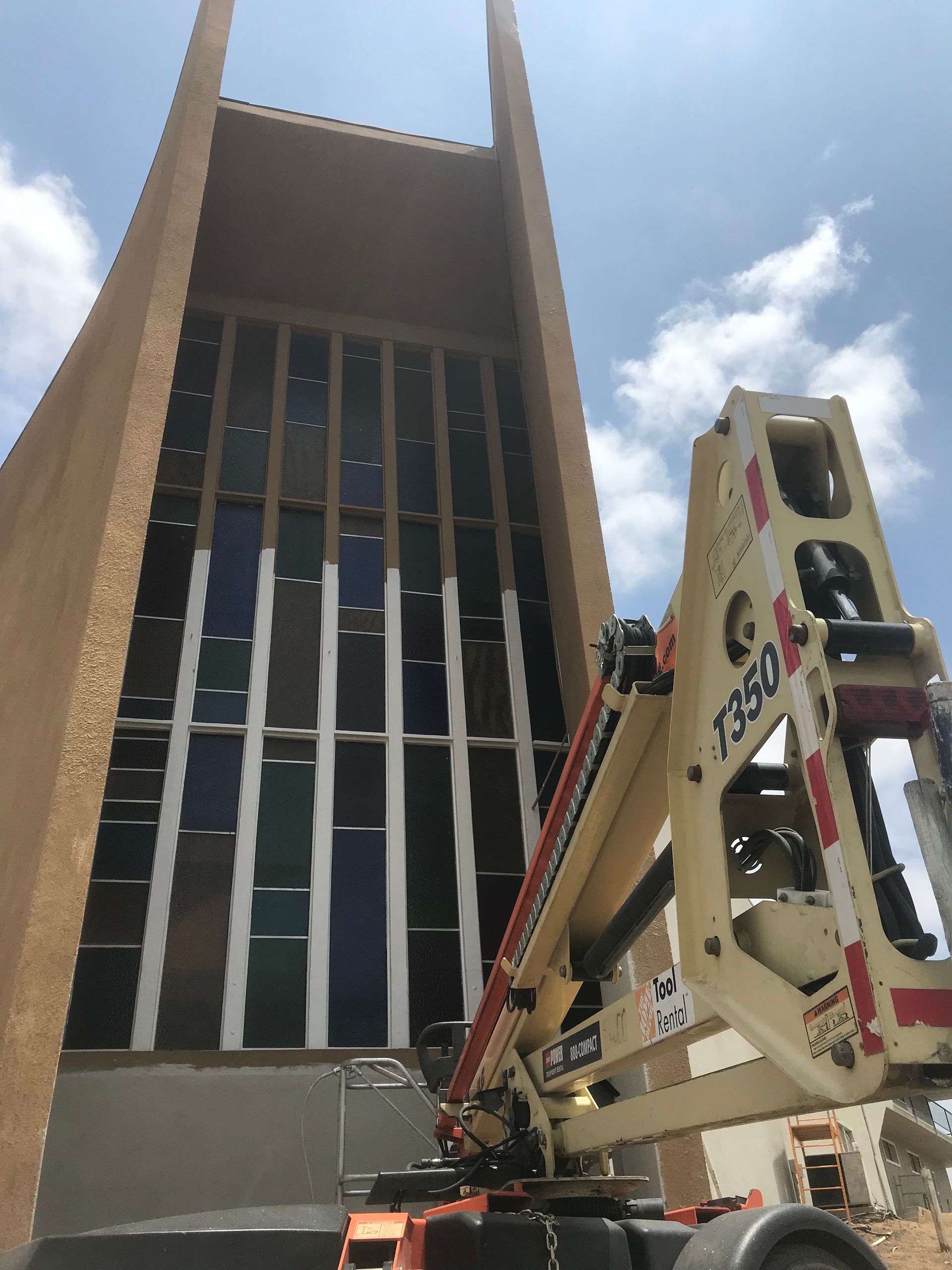
Exterior Stucco and Metal Facades
Commercial exteriors in Redlands frequently combine stucco with metal accents, storefront framing, or signage areas, each requiring different primers to prevent peeling or corrosion.
Warehouse and Industrial Surfaces
Industrial spaces often include concrete, metal framing, and epoxy-coated floors or walls, which require specialized coatings suited for heavy use, chemical exposure, or equipment contact.
Get a facility-wide commercial painting quote from Redlands Painting.
Compliance with Property and Landlord Standards
Many commercial projects in Inland Empire must follow specific brand color guidelines, property management specifications, or lease requirements before work begins.
Brand and Franchise Color Matching
Retail chains and franchise locations often require exact color matching to corporate branding standards, which involves precise product selection and application to meet those specifications.
Landlord and HOA Approval
Multi-tenant properties and business parks may require landlord or property management sign-off on colors and finishes before any work starts, particularly for exterior-facing surfaces visible from shared common areas.
Minimizing Disruption During the Project
Active commercial environments need containment strategies that keep work areas separate from occupied spaces.
Dust and Odor Containment
Plastic sheeting, negative air pressure setups, and low-odor paint formulations are used to keep fumes and dust away from employees, customers, or nearby tenants during business hours.
Signage and Access Considerations
Entryways, signage, and parking access are kept clear or clearly marked throughout the project so customer traffic and deliveries aren't disrupted.
Schedule a walkthrough for your Redlands commercial painting project.
Frequently Asked Questions
How long does a typical commercial painting project take in Inland Empire?
Project length depends on square footage and surface complexity, but most office or retail spaces take a few days to two weeks, while larger warehouse or multi-tenant properties can take several weeks when phased around operations.
Can commercial painting be done without closing the business?
Yes, most commercial painting is scheduled after hours, overnight, or on weekends specifically so the business can remain open during regular operating hours.
What paint finishes are best for high-traffic commercial spaces?
Satin, semi-gloss, or specialty washable finishes are typically used in commercial spaces since they hold up better against scuffing, cleaning chemicals, and frequent contact than flat paint.
Do commercial buildings need different paint than residential homes?
Yes, commercial buildings often require more durable, industrial-grade coatings designed for high traffic, frequent cleaning, or exposure to equipment and chemicals not typically found in residential settings.
How do you match paint to a franchise or corporate brand color?
Brand color matching involves sourcing the exact specified paint code or formulation from the corporate guidelines, then verifying the match against approved samples before full application.
Is landlord approval required before painting a leased commercial space?
Many leases require landlord or property management approval for exterior color changes and sometimes interior changes as well, so it's important to confirm lease terms before starting a project.
What's the best way to paint a multi-tenant property without disrupting other businesses?
Multi-tenant properties are usually painted in phases, moving from one section to the next so surrounding businesses remain open and accessible throughout the project.
Can warehouses and industrial spaces be painted while still in use?
Yes, industrial spaces can often be painted in sections during off-peak hours or shutdown periods, particularly for floors and walls that need to cure before equipment or foot traffic resumes.
How often do commercial exteriors need repainting in Inland Empire?
Commercial exteriors typically need repainting every five to eight years, though buildings with heavy sun exposure or high visibility signage areas may need more frequent touch-ups.
What surfaces are most common in Inland Empire commercial buildings?
Stucco, drywall, metal storefront framing, and concrete are among the most common surfaces found across Inland Empire' office, retail, and industrial properties.
Do commercial painting projects require special containment for dust or fumes?
Yes, active commercial environments typically require plastic sheeting, ventilation management, and low-odor paint products to keep dust and fumes contained away from employees or customers on-site.